What Is Hyaluronic Acid In Skincare? – Why You Want To Be Using It
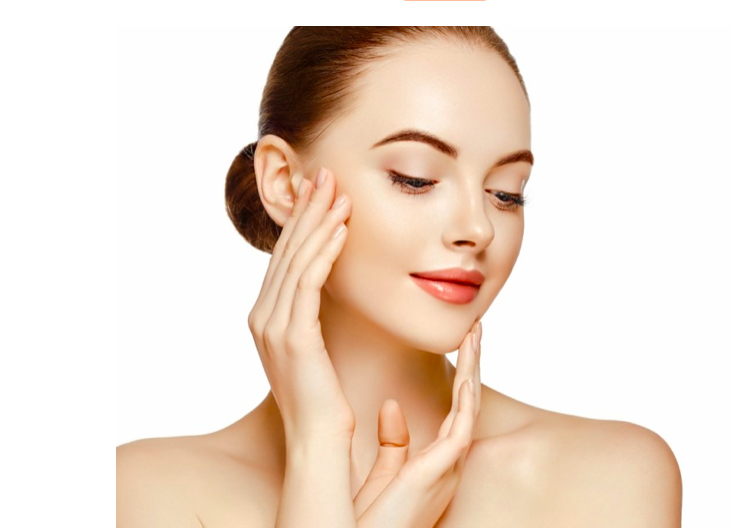
For those of you less obsessed with skincare products than me, hyaluronic acid probably sounds the exact opposite of something you want to be putting on your skin especially your face but in actual fact hyaluronic acid is a natural component found in our skin.
It is a sugar molecule found naturally in your body and the key molecule for skin hydration as it has a unique capacity for retaining water.
It can actually hold up to 1000 times its own weight in water.
Hyaluronic acid is most abundant in our skin accounting for roughly 50% of our bodies total hyaluronic acid.
It’s the complete opposite of most acids you would normally associate with skincare products such as glycolic acid, lactic or salicylic acid which all exfoliate skin.
So what is hyaluronic acid in skincare products for?
Hyaluronic acid is not an exfoliate, but a hydrator.
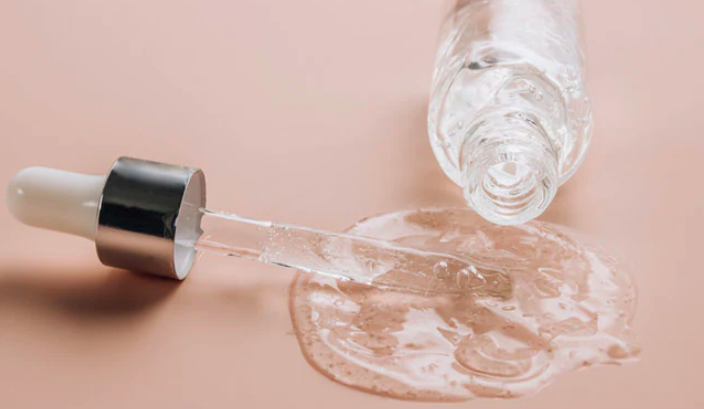
What Does Hyaluronic Acid Do For Your Skin?
As we age our natural hyaluronic acid levels within our skin start to decline and we produce less of it, this leads to dehydrated skin and the appearance of fine lines and wrinkles.
A high molecular weight hyaluronic acid works as a humectant by sitting in the upper layers of the skin and temporarily plumping it out.
Low molecular weight hyaluronic acid is a much smaller molecule than hyaluronic acid and therefore is able to penetrate the skin and help to replenish the lost hydration in the deeper layers of the skin that occurs during the ageing process.
Using both hyaluronic acid and low molecular weight hyaluronic acid in your skincare routine is a great way to hydrate your skin on every level.
Hyaluronic acid draws water from the deeper layers of our skin and also from the air and anything we put on it plumping out the skin and rehydrating it, reducing the appearance of fine lines and creases.
What Skincare Products Have The Most Hyaluronic Acid?
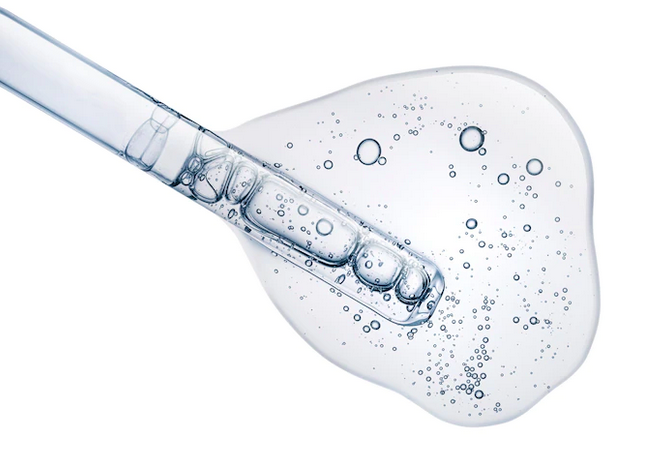
Although you can find many products containing hyaluronic acid you are more likely to find low molecular weight hyaluronic acid in a lightweight serum and high molecular weight in moisturisers. (but not exclusively)
If possible try to go for products containing a mixture of both, sodium hyaluronate is also a good choice as this aids absorption into the skin.
Can You Use Hyaluronic Acid By Itself?
If using a hyaluronic serum, this will draw moisture from the deeper layers of the skin so lock it in with a moisturiser for ultimate benefits.
Hyaluronic acid can be used with most products except glycolic acid, this will break it down so you will not get the hydrating benefits.
How Can I Use Hyaluronic Acid On My Face?
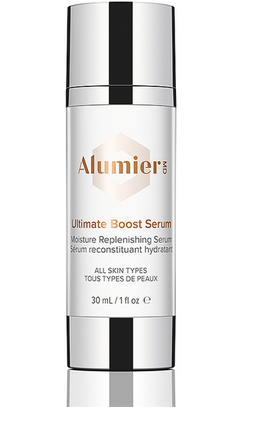
The best way to incorporate hyaluronic acid into your facial routine is to use a hydrating serum, they’re easy to use, just apply morning and evening after cleansing.
Try AlumerMD Ultimate Boost! My absolute favourite and best seller in clinic.
What Are The Benefits To Using Hyaluronic Acid?
If you sufferer from dehydrated or ageing skin, hyaluronic acid will naturally replace lost moisture from the outside in, it will give your skin a dewy glow, plumping out fines lines.
How To Recognise Dehydrated Skin
Dehydrated skin is actually different to dry skin, dry skin means it’s not producing as much oil as normal skin whereas dehydrated skin lacks water.
Dry skin will be itchy flaky and sore whereas as dehydrated skin feels tight especially after washing or showering, it also wrinkles and creases easily.

What Are The Benefits Of Sodium Hyaluronate?
Sodium hyaluronate has multiple skincare benefits that can result in healthier, glowing skin and an improved complexion.
Improved Firmness Of The Skin
When sodium hyaluronate is applied directly to the skin, it’s water binding properties allow it to penetrate deeper between connective tissue to better absorb and retain moisture.
Smoothes Wrinkles And Fine Lines
Due to its ability to retain water it plumps out fine lines and wrinkles having a beautiful anti ageing effect..
What Are The Side Effects To Using Hyaluronic Acid?
As hyaluronic acid is naturally found in our bodies and skin, any side effects are very rare.
If you have extremely dehydrated skin and were to regularly apply hyaluronic acid, the HA would draw moisture from the deeper layers of the skin.
Can You Use Hyaluronic Acid If You Have Oily Skin?
As HA replaces water not oil it is an extremely good option for an oily skin type to use, even oily skin can loose hydration.
Hydrates Skin Without Clogging Pores
Sodium hyaluronate is gentle and offers hydration for sensitive irritation prone skin.
It’s also non comedogenic meaning that it can offer significant hydration without clogging pores.

A Word About Acne
Many people with acne prone skin need to be particularly careful with the products they use to prevent breakouts or irritation.
Sodium hyaluronate is particularly gentle and since it won’t clog pores, it won’t result in additional breakouts.
Having hydrated skin can even help prevent breakouts.
When the skin is two dry, it may over produce oil in attempts to rectify the problem, resulting in more breakouts.
Combine sodium hyaluronate with a gentle non comedogenic moisturiser to keep your skin properly hydrated.
Now you know hyaluronic acid is definitely worth adding to your bathroom shelf, let’s take a look at the best products for you to plump up that beautiful skin and bring back that dewy glow
Injectables
Another form of hyaluronic acid comes in the form of injectable treatments, of course this is only something you would have from a professional aesthetician but it’s still worth mentioning whilst were on the subject.
Skin Boosters
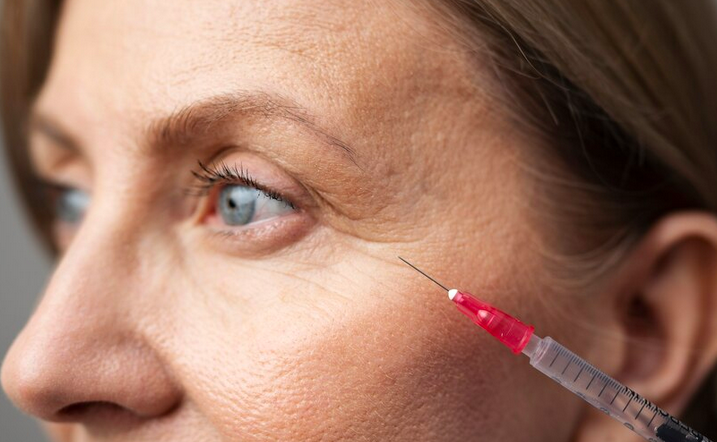
Skin boosters are an injectable form of hyaluronic acid, they can really boost hydration levels within the skin giving the skin a glowing radiant appearance.
Skin boosters also remodel the skin by encouraging it to produce more of its own natural HA, collagen and elastin which also decreases with age.
These would typically last 6 months.
I am currently requiring models for a new skin booster with the highest concentration of HA on the market. Contact the clinic for more information.
Dermal fillers
Dermal fillers use an injectable hyaluronic acid which is cross linked to make it more stable so the body breaks it down more slowly to allow it to provide volume where this has been lost due to breakdown of collagen or in other cases to add contour or augmentation to the face.
This typically last 6-12 months.
This is a safe procedure If carried out by a fully trained medically qualified aesthetician.
It can come with risks such as occlusion of a blood vessel which if your practitioner isn’t properly trained and equipped in emergency reversal can lead to tissue necrosis and permanent scarring.
Always check your practitioners credentials.
Final Thoughts
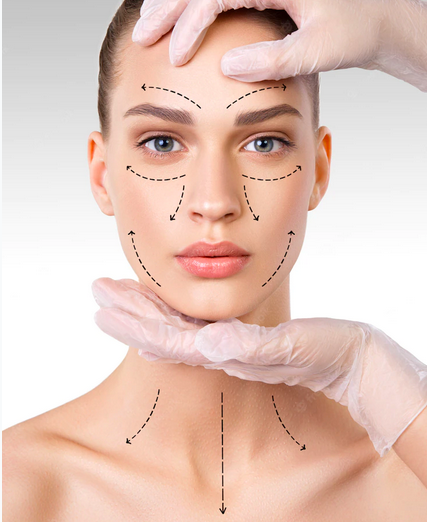
Hyaluronic acid is definitely a word you are likely to keep hearing when it comes to skin care, and for good reason, it is an excellent ingredient for all skin types.
The perfect way to hydrate your skin from the outside in.
When looking for skincare, if possible go for something with both low and high molecular weight hyaluronic acid.
If the molecules are too big it won’t penetrate your skin far enough to have any beneficial effect.
Always moisturise after applying your hyaluronic acid serum to lock in the moisture.
Don’t forget oily skin needs hydration too.
If your interested in being a model for the skin booster treatment please contact the clinic.